
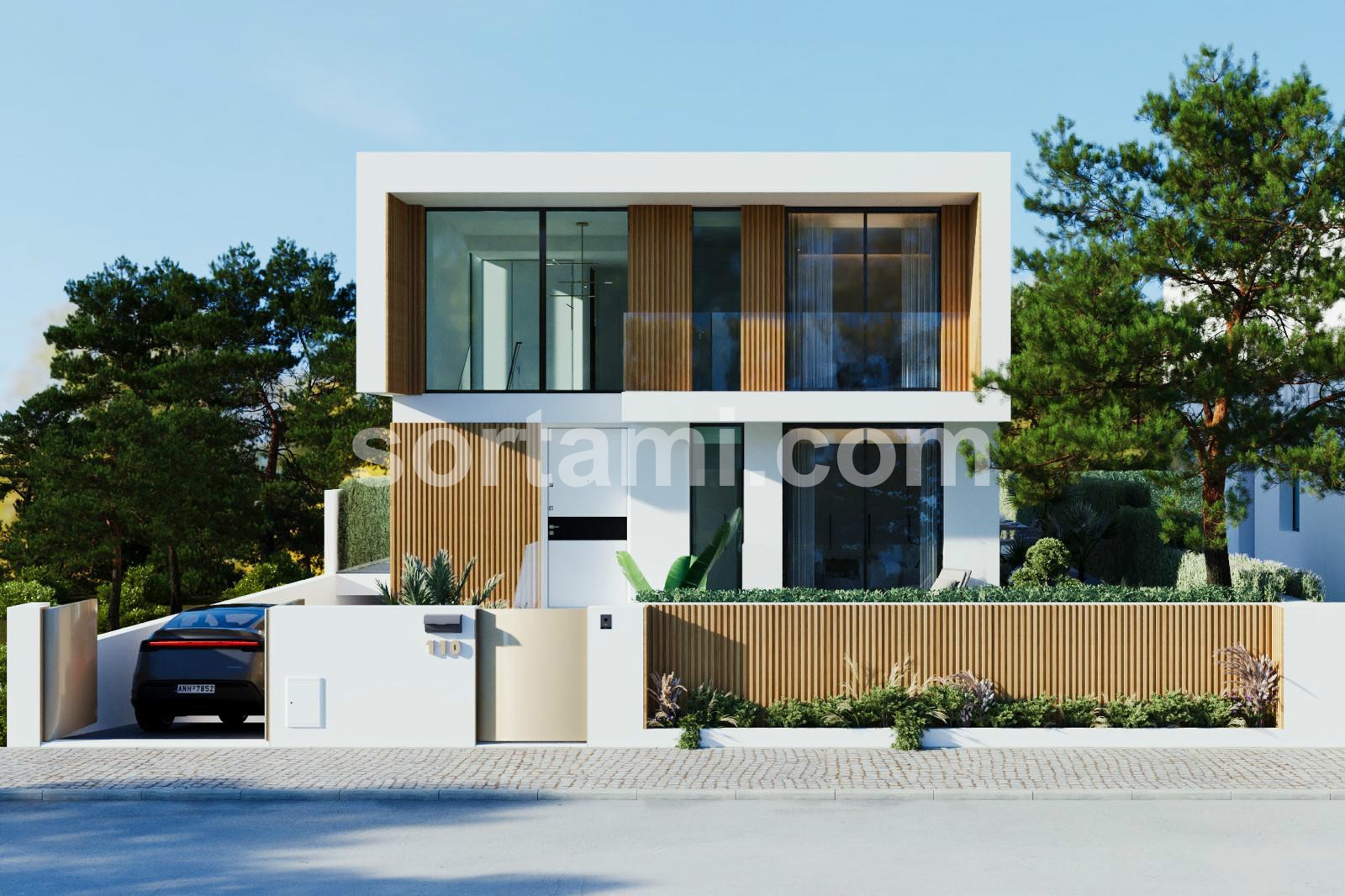
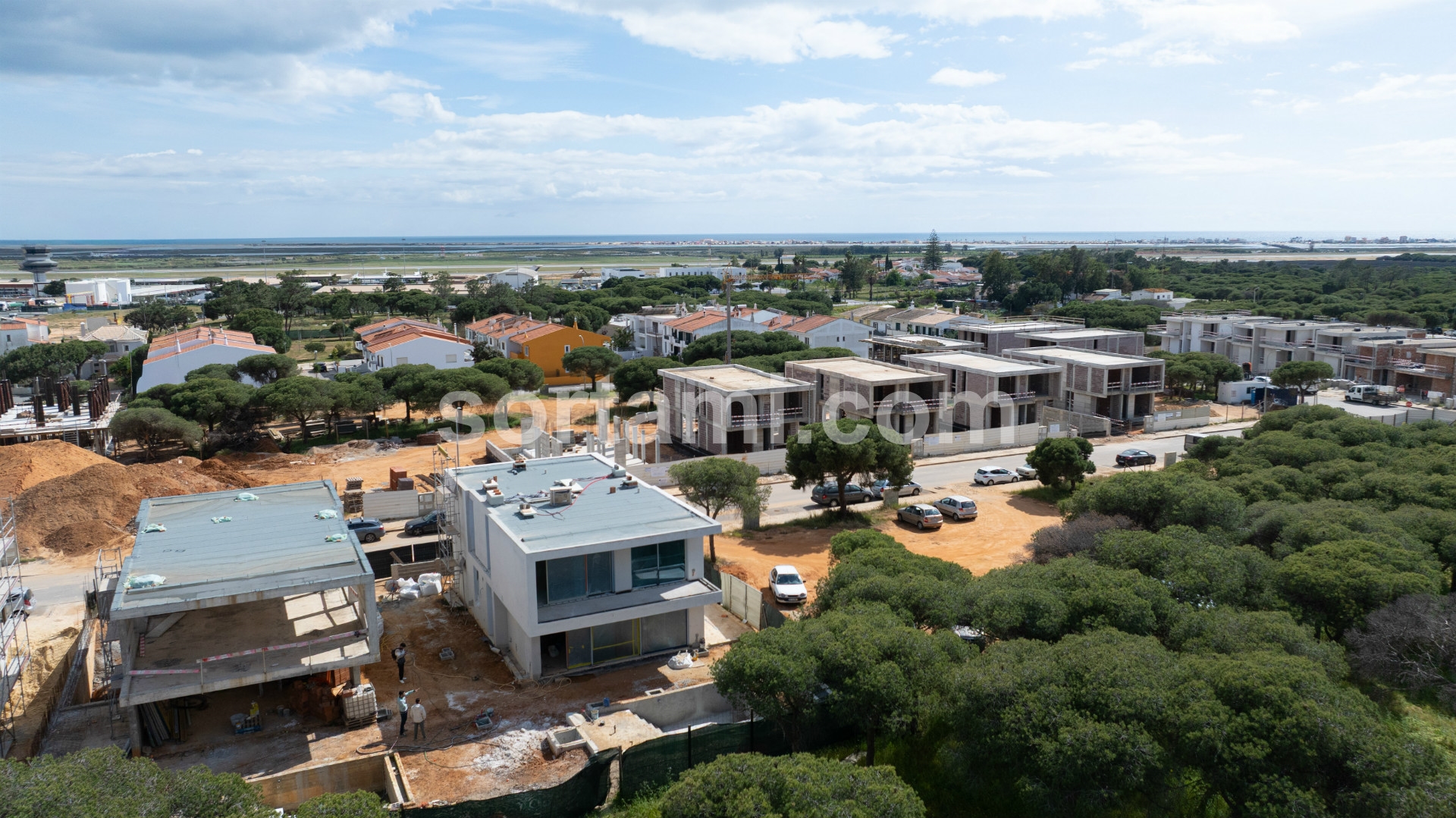
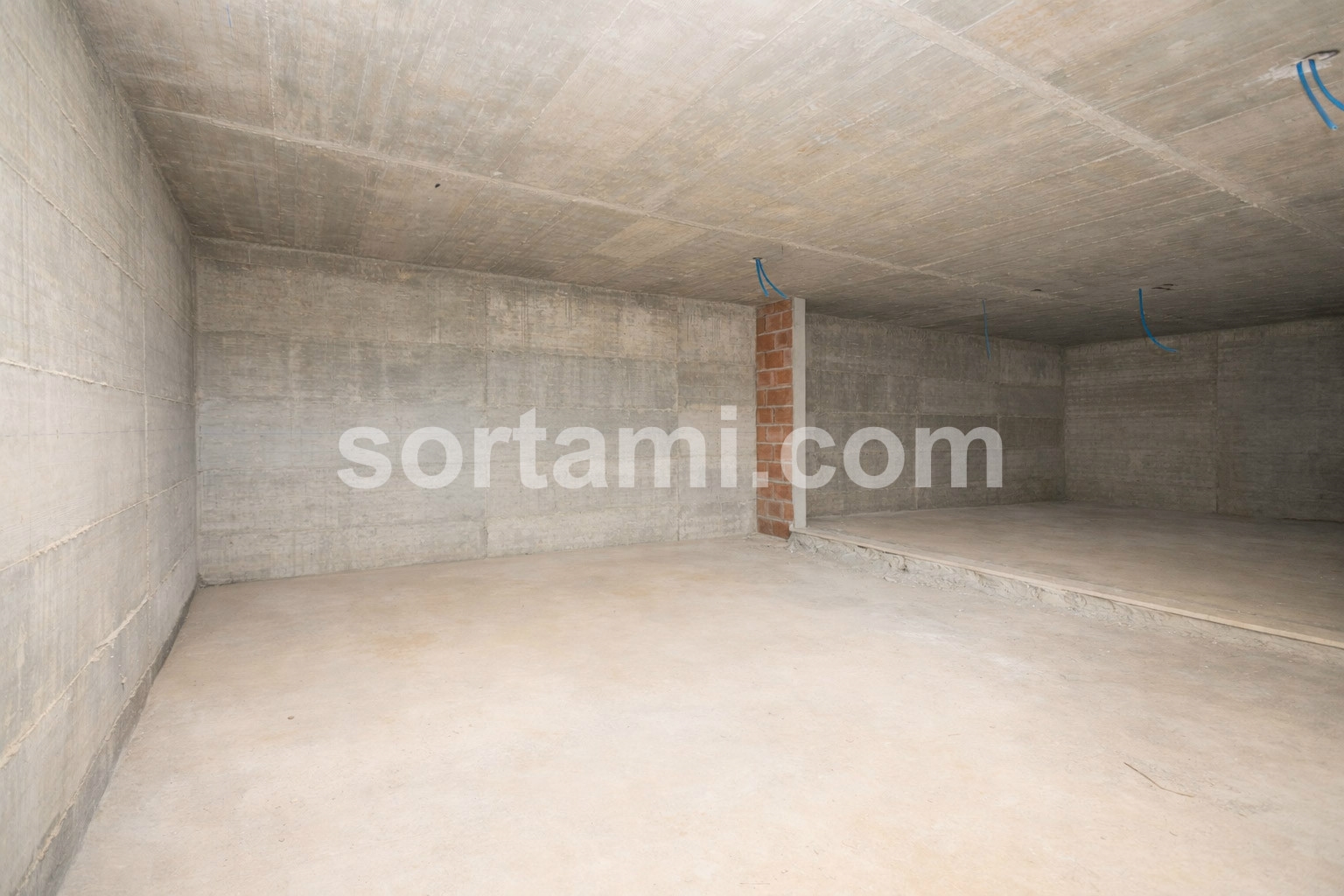

Offering Details
Rent History
Used to estimate yield and tenant stability.
Current status: Owner occupied
Owner-occupied no-rent agreement: the occupant covers 100% of usage costs, there are no periodic distributions, and investors are primarily exposed to long-term value appreciation.
No rent history: owner-occupied with no rent distributions.
House Cost Agreement
Recurring costs agreed between investors and occupant to preserve the asset.
Asset-preservation costs
- Insurance€1,200
- Structural reserve top-up€612
- SPV legal and admin€600
Usage consumption costs
- Electricity€0
- Water€0
- Internet / TV€0
Hybrid costs
- Pool and HVAC servicing baseline€900
- Landscaping baseline€500
Asset-preservation costs
Asset-preservation: non-negotiable. All investors pay pro-rata. Structural reserve top-up: active until the reserve reaches the minimum target.
Usage consumption costs
Usage consumption costs are paid by the occupant, as defined in the contract.
Hybrid costs
Hybrid costs: votable. Not mandatory before vote, but mandatory after approval.
Why this differs from a rent-producing property
In a property with recurring rents, operating and preservation costs are paid first from that rent stream, and only surplus cash may be distributed. Without recurring rents, the SPV may require additional capital to maintain the asset.
Owner Occupancy (No Rent) Agreement
Structure where the occupant-owner does not pay periodic rent, with explicit investor safeguards against abuse.
Only viable with objective rules: occupant covers mandatory costs, governance is independent, and economics are trued up on exit.
Usage costs paid by
Occupant
How the agreement works
- Occupant pays 100% of usage and day-to-day operating costs.
- Reserve/capex contributions stay mandatory to preserve asset quality.
- No periodic rent distributions; target return is mainly appreciation.
- Material maintenance underperformance triggers contractual remedies.
Investor protections
- Related-party policy with independent committee review.
- Supermajority threshold for occupancy and cost-term changes.
- Annual third-party valuation and condition assessment.
- Exit true-up / waterfall adjustment if implicit subsidy occurs.
Without these protections, the model can transfer value from minority investors to the occupant.
House SPV Balance
Public treasury balance for this property: rent received, costs paid, and amount available for reserves or dividends.
Closing balance
-€1,400
Recommended minimum reserve
€2,800
Allocated to reserve
-€1,400
Available for dividends
Not distributed in this model
No expected rent distributions right now
This property is not in an expected-income model. The SPV balance remains visible, but periodic dividends are not distributed.
Capital call risk
High
Reserve is below target. Higher probability of additional capital call.
Simplified period statement
Opening balance
Inflow
+€4,200
Rent received (period)
Inflow
+€0
Preservation costs paid
Outflow
-€4,200
Hybrid costs paid
Outflow
-€1,400
How to read this balance
- Dividends come from net cash, not gross rent.
- Mandatory costs are paid first to protect asset value.
- Surplus after reserve can be distributed to investors.
Debt and Lender Rights
Investor risk disclosure: debt ranks senior to equity in this SPV structure.
Debt outstanding
€896,480
Annual debt service
€62,754
DSCR (coverage)
0.00x
Debt reserve
2.3 months
Debt snapshot
Covenant breach risk
HighCoverage and/or reserve is weak. Higher probability of default trigger and collateral enforcement.
Cure period: 30 days
If default happens
After cure period expires, the lender may enforce collateral over the SPV asset. Enforcement is against the property, not the individual investor, but it directly impacts equity value.
IPO proceeds policy
Owner discretionary use: proceeds may or may not be used to repay debt. This increases uncertainty for investors.
IPO offered equity: 20%.
Capital Calls
Additional deposits may be required to protect the asset and keep a minimum reserve.
Hover the info icon for details.
When it can happen
Safety reserve gets low
How it works
Pro-rata amount + deadline
If unpaid
Penalties may apply
No recurring income: higher call probability.
Bloqo Investor Return Simulator
Estimate cash yield, value growth and stress outcomes for your Bloqo position.
Total return
€23,917
69.4%
10-year projection
€58,397
10 years
€58,397
Estimates only. Distributions, occupancy, fees, liquidity and market value are not guaranteed.